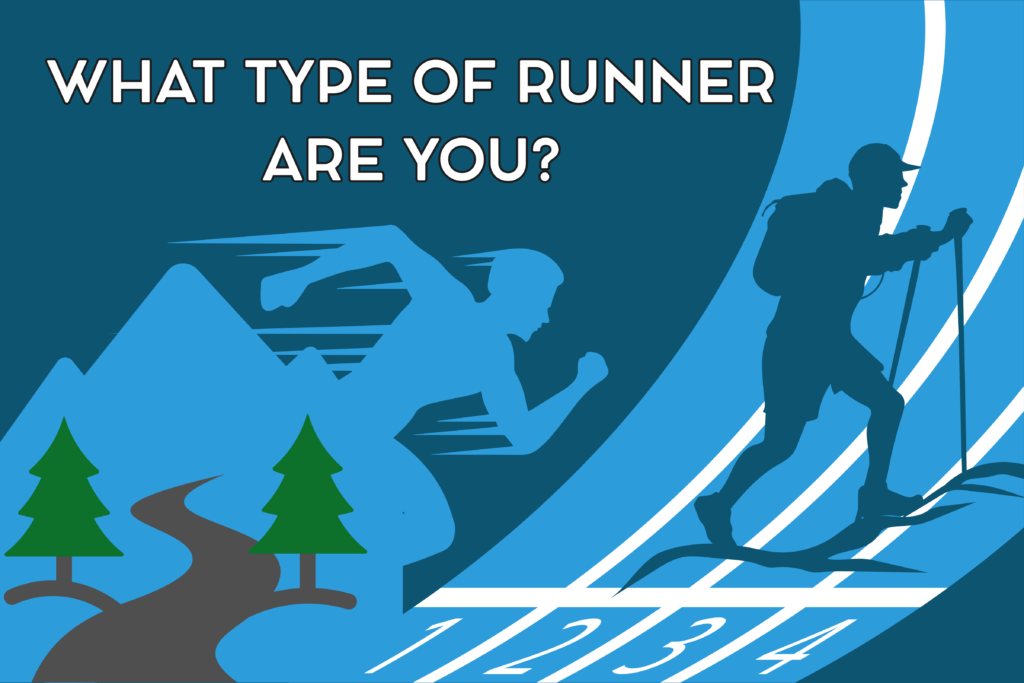
When I started running, I didn’t have any idea what kind of runner I was, nor did I know that different types of runners existed. To me, a runner was just a runner—someone who runs…and, in the end, that’s what we all are! However, the distance, the terrain, our experience, our level of commitment, and when we started running are factors that define us as different kinds of runners.
There are elite, professional, and amateur runners; long, medium, and short distance runners; road and trail runners; runners committed to the journey every day, and runners who run when they feel like it; runners with decades of experience and runners who just started yesterday.
But, in the end, we’re all runners, and it’s okay to be any kind of them. Our running profile is defined by our goals, the time and money we are willing to invest, where we most like to run, and many other personal factors.
An elite runner doesn’t necessarily commit more than an amateur runner who juggles running with a steady job, a family, and other obligations. A runner who wins a race doesn’t necessarily work harder than a runner who overcomes an injury and other challenges just to be able to finish.
I’ve never won a race; I’m not a professional runner. My goal is always to improve for the next event, competing not with others, but with myself. When I finish a race, my main concern is to write down what went right and wrong and what I can improve. By fixing what didn’t go well, I move closer to finishing faster next time. If I happen to get closer to the winner’s time in the next race, that will always be a consequence of my self-improvement, not the primary goal I set for a better classification.
I’m writing this two days after a race that didn’t go as planned, but I’m not sad. I’m already analyzing why it didn’t go well, and I’m sure that this experience will be valuable for my future progress.
Now, I can try to help you find the kind of runner you are by answering these questions:
- Do you prefer to run in the city or in nature?
- Do you like long distances, or are short ones your favorites?
- What’s your “running age”? (How long you’ve been running)
- What is/would be your main goal in a race?
- Do you have the time you want to invest in your running?
- What is your biggest motivation to run?
After answering these questions, you should be able to define your runner type.
In my opinion, defining your runner type is important because it helps you acknowledge your reality and avoid frustration from comparing yourself to others. Of course, you don’t need to put yourself in a box and stay there. For example, I consider myself a trail runner, but I do road races all the time. I prefer longer distances, but this year I did two 10K races. So, it is important to define what kind of runner you are, but you don’t need to limit yourself because of it!